
Protecting What's Beneath: Why Elevator Shafts Need Professional Waterproofing
The Hidden Danger of Wet Elevator Pits
Elevator pits are designed to be structural foundations for the lift equipment, but concrete is naturally porous. Over time, water follows the path of least resistance through floor-wall joints, cracks, and capillary action.
Water in an elevator pit doesn’t just cause rust and corrosion on sensitive mechanical components; it can lead to:
-
Safety Hazards: Slippery surfaces and electrical risks for maintenance crews.
-
Operational Downtime: Costly repairs to hydraulic systems or electronic sensors.
-
Code Compliance Issues: Regulators require dry, safe environments for elevator equipment.
How We Use WaterGuard® to Secure Your Shaft
While many contractors rely on surface coatings that eventually bubble or peel under pressure, we take a more proactive approach. We utilize the WaterGuard®drainage system to manage water at the source.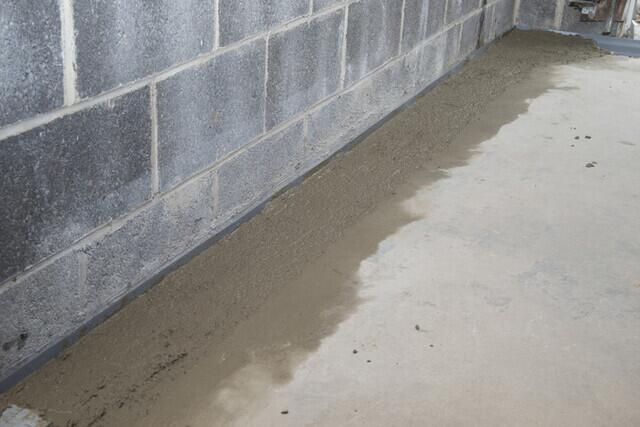
1. Capturing Water Before it Becomes a Problem
WaterGuard is a specialized, rigid drainage system installed along the interior perimeter of the foundation. Unlike traditional "French drains" that sit on the surface, where they are prone to clogging, WaterGuard is engineered to sit on top of the footing. This keeps the drainage channel clear and debris-free.
2. Specialized Perimeter Protection
We install the WaterGuard channel beneath the floor slab, right where the wall and floor meet. This is the most common entry point for groundwater. The system features a unique wall flange that creates a neat, clean space to catch any seepage running down the walls, channeling it safely away before it ever hits your floor.
3. Integration with High-Performance Sump Pumps
The WaterGuard system is designed to work as a complete unit. Once captured, the water is gravity-fed to a high-capacity sump pump system, which discharges the water far away from your foundation. This creates a continuous, automated "escape route" for groundwater, effectively neutralizing the hydrostatic pressure pushing against your elevator pit.
Why Choose This Approach?
-
Minimal Disruption: The installation is quick and "pre-finished," meaning we restore the concrete slab after the system is in place.
-
Non-Clogging Design: Because it isn't buried in the soil, the system maintains its integrity for years.
-
Proactive Prevention: By installing a drainage system rather than just a patch, you are protecting your building’s long-term asset value.
Is Your Building at Risk?
Waterproofing an elevator shaft isn't a DIY job; it requires a deep understanding of foundation dynamics and pressure management. If you suspect water is infiltrating your building’s lower levels, don’t wait for a mechanical failure to act.